Why Gutter Cleaning in Hackettstown Is Essential After Storms
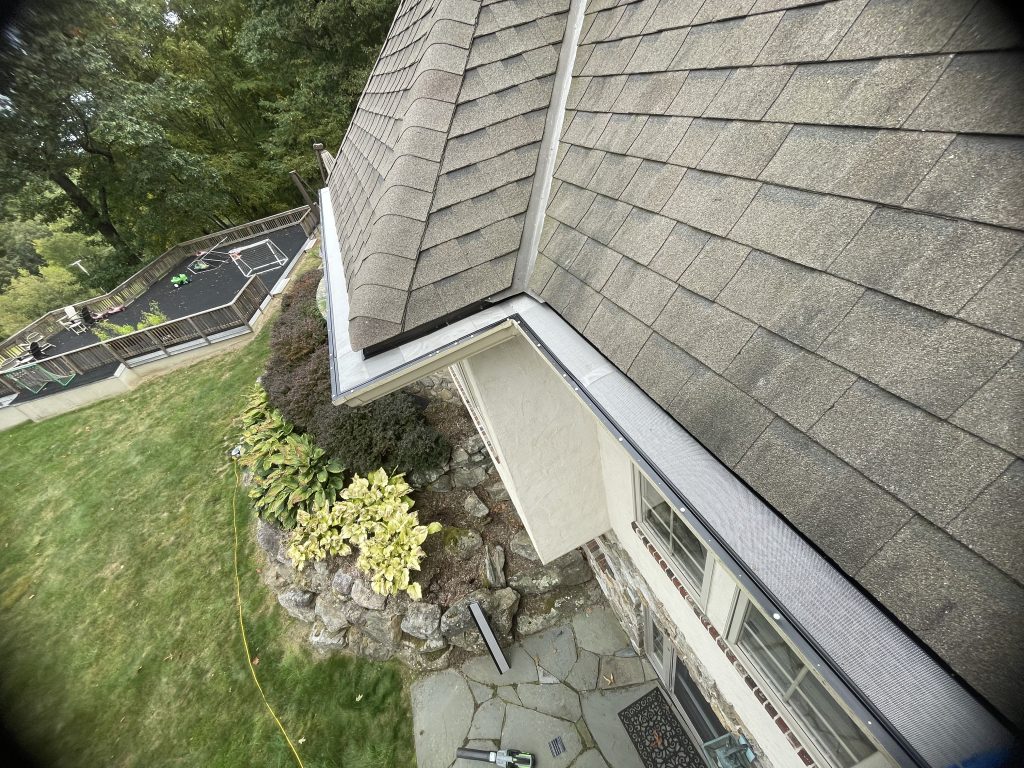

Storms do not need to be dramatic to cause trouble for a house in Hackettstown. A long afternoon of steady rain, a summer thunderstorm with high winds, or a wet fall storm that strips leaves off the trees can all leave a gutter system overloaded. What looks like a simple line of debris along the roof edge often becomes the starting point for water damage, rot, basement seepage, and expensive exterior repairs.
Homeowners usually notice the obvious signs first. Water spills over the gutter lip. A downspout gushes from the wrong place. Mulch gets washed out of flower beds. Sometimes the first clue is indoors, a damp corner in the basement, a stain on a ceiling edge, or a drafty section of fascia that has already started to soften. By the time those symptoms appear, the problem has often been developing for more than one storm cycle.
That is why Gutter Cleaning Hackettstown services become especially important after severe weather. Storms do more than add rainwater. They deliver the very material that clogs a drainage system in the first place: leaves, twigs, seed pods, pine needles, roof grit, and even small branches. In neighborhoods with mature trees, one storm can undo months of relatively clean flow.
Storm debris changes how gutters behave
A gutter system is designed around movement. Water lands on the roof, flows to the edge, enters the gutter channel, and exits through downspouts that carry it away from the foundation. That sequence only works when each section stays open and properly pitched.
After a storm, the composition of the debris matters as much as the amount. Dry leaves are one thing. Wet leaves packed down by repeated rain become something else entirely. They form a mat that traps shingle granules, dirt, and fine organic matter. Once that mass settles near an outlet, the gutter stops acting like a drainage path and starts acting like a trough.
Hackettstown homes see a mix of weather patterns that make this worse. Late summer storms often bring hard rainfall and branch litter. Autumn adds heavy leaf drop. Winter creates freeze and thaw cycles that turn leftover clogs into ice problems. Spring storms then test whatever damage the colder months left behind. The issue is rarely a single event. It is cumulative stress on a system that only works when it stays clear.
I have seen gutters that looked only half full from the ground but were nearly blocked where it counted most, right at the downspout opening. From the lawn, the house seemed fine. Up close, there was standing water stretching twenty feet along the run. The fascia board behind it had begun to stain, and the fasteners were already pulling loose. That kind of hidden failure is common after storms because the debris gets driven into the system unevenly.
Overflow is more destructive than many homeowners realize
Most people hear “clogged gutter” and picture water spilling over the edge. That is part of the problem, but not the full cost. Overflowing water tends to follow gravity in ways that damage several parts of a property at once.
When water pours over the front lip, it often lands directly along the foundation line. If the grade around the home is less than ideal, and many older properties have exactly that issue, water can pool near the base of the house. Repeated saturation increases the chance of seepage into crawl spaces and basements. Even if water never enters the living space, wet soil expands and contracts, which is not something you want happening next to a foundation wall storm after storm.
When water spills backward because the gutter is packed, it can creep behind the gutter and soak the fascia, soffit, and roof edge. Wood trim does not need a dramatic flood to fail. It just needs frequent wetting and poor drying conditions. Paint blisters. Joints open up. Insects find softened wood easier to exploit. By the time a homeowner notices peeling paint or a sagging section, the repair is no longer just cleaning.
Another common issue is landscape erosion. Decorative stone gets displaced. Garden beds wash out. Young shrubs sitting beneath a roof valley can take a beating when concentrated water drops from one point over and over. These are not structural disasters, but they add up in time, labor, and curb appeal.
Why Hackettstown homes are especially vulnerable after storms
Hackettstown has many homes surrounded by mature trees, established neighborhoods, and rooflines that vary from simple ranch layouts to more complicated two story structures with valleys, dormers, and multiple downspout runs. That combination creates more opportunities for storm debris to settle in problem areas.
Tree cover is the obvious factor. Oaks, maples, and pines all create different kinds of buildup. Oak leaves can mat down tightly. Maple seeds and helicopter pods wedge into outlet openings. Pine needles seem harmless until they braid together and hold damp sediment in place. Add roof granules from aging shingles, and the clog becomes heavy enough to strain hangers and joints.
Roof design matters too. A steep roof can move water fast, which is helpful when gutters are clear but punishing when they are not. Valleys concentrate runoff into a narrow section, and that section can overflow first during a storm even if the rest of the gutter is only partially obstructed. Short lower roofs beneath taller sections can also catch debris from above, creating double accumulation in one area.
Then there is the age factor. Many gutter systems in residential areas are not new. Seams separate over time. Pitch settles. Downspouts loosen at the wall. After a storm, those small weaknesses become obvious. Water finds every low spot, every clogged elbow, every place where yesterday’s “minor maintenance issue” becomes today’s active leak.
The timing matters more than people think
Waiting too long after a storm is where preventable damage usually starts. A clogged gutter right after heavy weather is already bad. A clogged gutter that sits for several more weeks while additional rain falls into it is much worse.
Wet debris gets heavier as it decomposes. Gutters are not meant to carry that extra load for long periods. Hangers can pull away from fascia boards, especially on older installations. Seamed sections may begin to drip at the joints. If nights turn cold, standing water can freeze, expand, and put added pressure on the metal and the wood behind it.
There is also a practical issue. Fresh storm debris is often easier to remove than compacted material that has baked in the sun or frozen in place. A maintenance call that would have been straightforward in early fall can turn into a more involved cleaning and repair visit by late winter.
Homeowners sometimes assume one big annual cleaning is enough. In some properties, that works. In others, especially tree lined lots or homes with roof valleys, it is not realistic. After major storms, a checkup is often worth far more than the cost or time involved.
What professional cleaning addresses beyond the obvious
A thorough gutter cleaning should do more than scoop out leaves. It should reveal how the entire drainage system is performing under real conditions. That is where a professional eye often makes the difference.
Clearing the channel is only step one. Downspouts need to be checked all the way through, because a clear top section means very little if an elbow is plugged halfway down. Fasteners should be inspected. Pitch should be observed. End caps, seams, splash patterns, and outlet strain points should be noted. A good cleaning often uncovers minor defects before they become carpentry, roofing, or waterproofing projects.
This is especially valuable after storms because wind can shift sections slightly, detach extensions, or knock branches against the gutter edge hard enough to deform it. You do not always see that from ground level. In one case, a homeowner thought the issue was a clog because water was sheeting over the side near the garage. The real problem was a crushed section from a falling limb. The gutter was technically clean enough to drain, but not shaped well enough to hold the volume coming off the roof.
For anyone searching for Gutter Cleaning Hackettstown services, this is an important distinction. Cleaning should restore flow, but it should also identify vulnerabilities while they are still manageable.
Small warning signs that should not be ignored
Many houses give subtle signals after storms. The challenge is that people tend to dismiss them until the next bad weather event confirms the problem. A few of the most telling signs are easy to spot if you know what to watch for.
- Water spilling over one section while the rest of the gutter looks normal
- Dark streaks on fascia boards or siding below the roof edge
- Gutters that appear to sag, twist, or pull away from the house
- Pooled water near the foundation after rain has stopped
- Plants or mulch below the gutter line that look repeatedly battered
Any one of those signs can point to a localized blockage, poor pitch, a failing joint, or a downspout issue. The key is not to treat them as cosmetic. Water always leaves clues before it leaves a repair bill.
The safety factor is real
There is also a reason post storm gutter work should be approached carefully. Ladders, wet ground, slick roofs, and hidden damage are not a casual combination. Many homeowners underestimate how unstable conditions can be after bad weather. Soil may be soft. Aluminum gutters may not support even incidental weight. Branches can remain hung up overhead. Wasps, moldy debris, and sharp metal edges add their own problems.
Even when someone is comfortable on a ladder, the process is more demanding than it looks. Cleaning one story gutters on a dry, clear day is one thing. Inspecting storm affected gutters around https://www.merchantcircle.com/just-gutters-1-hackettstown-nj a two story home with uneven ground is another. There is no pride in turning a maintenance job into an emergency room visit.
For that reason alone, many people decide that professional service is worth it, especially after severe weather. Experience matters. So does having the right ladder setup, stabilization methods, flushing equipment, and eye for damage.
Gutter guards help, but they do not eliminate post storm maintenance
Some homeowners assume gutter guards mean they can stop thinking about gutters entirely. That is rarely how it works in practice. Guards can reduce accumulation, and on some homes they help a great deal, especially with larger leaf litter. But storms can still drive debris onto the guard surface, force fine sediment through openings, or create blockages in valleys and downspout entries.
The performance of a guard system depends on the type of guard, the roof pitch, the surrounding tree cover, and the volume of runoff. Fine mesh products handle some conditions better than basic screens, but even the better systems need inspection. Pine needles, shingle grit, and seed debris are frequent troublemakers.
After storms, it is still smart to check for overflow patterns or visible buildup. A guarded system that is not draining correctly can be easy to overlook because the clog is not as visible from above. Maintenance may be less frequent, but it is not optional.
Seasonal patterns make storms a recurring test
Hackettstown weather creates a repeating cycle that pushes gutter systems in different ways throughout the year. Understanding that cycle helps explain why post storm attention is not just reactive, it is preventive.
In spring, flowering trees and seed pods add fine debris just as rain frequency increases. Early summer brings sudden downpours that reveal weak drainage fast. Late summer and early fall can produce wind driven storms that load gutters with sticks and leaves in a single day. Peak leaf season then fills any remaining capacity. Winter follows by locking leftover moisture into ice, particularly where clogs caused standing water.
That is why some homes benefit from more than one annual service. The right schedule depends on tree cover, roof complexity, and how the property handled the last few storms. A heavily wooded lot may need attention in late spring and again after fall leaf drop, with spot checks after major weather events. An open lot with simple rooflines might need less. Good maintenance is based on the property, not a one size fits all calendar.
Preventive habits that reduce storm related damage
Homeowners do not need to become gutter experts to lower their risk, but a few sensible habits make a real difference.
- Look at the gutters from the ground after major storms, especially near valleys and corners
- Check whether downspouts are discharging several feet away from the foundation
- Pay attention to repeat overflow spots, because recurring trouble usually points to a specific defect
- Trim branches that hang directly over the roof edge when practical
- Schedule cleaning before and after heavy leaf season if your lot is tree dense
None of that replaces proper service, but it helps catch trouble earlier. The recurring theme with gutters is simple: small problems stay affordable when addressed quickly.
The cost of neglect is usually indirect, then suddenly direct
What makes gutter maintenance easy to postpone is that the first stage of damage is often hidden. No one writes a check the day leaves land in a gutter. The costs appear later and in other categories. A basement waterproofing call. Rotten trim replacement. Repainting soffits. Regrading a flower bed. Repairing interior drywall where water backed under the roof edge.
That is why gutter cleaning can seem optional right up until the moment it is not. People tend to think in terms of the gutter itself, but the gutter is protecting more expensive parts of the home. When it fails, those parts absorb the consequences.
For homeowners in this area, Gutter Cleaning Hackettstown is not just about tidiness or routine housekeeping. It is part of exterior water management, and exterior water management is one of the basic disciplines of preserving a house. Roofs shed water. Gutters direct it. Downspouts move it away. If one part of that chain breaks after a storm, the entire property becomes more vulnerable.
What a smart response looks like after the next storm
After the next significant storm, the best approach is not to wait for obvious damage. Walk the perimeter once conditions are safe. Look for overflow marks, detached downspouts, fresh debris accumulation, or areas where runoff hit the ground too hard. If anything looks off, act while the issue is still recent and diagnosable.
The homes that avoid the worst gutter related repairs are usually not the ones with perfect systems. They are the ones where owners respond early, before a clog becomes standing water and before standing water becomes rot. That is the real value of timely maintenance. It keeps a short term storm mess from turning into a long term building problem.
In Hackettstown, where storms, leaf drop, and seasonal freeze thaw cycles all work against drainage systems, that kind of follow through matters. Gutters do quiet work until they cannot. Keeping them clean after storms is one of the simplest ways to protect the roofline, foundation, siding, and landscape all at once.
Just Gutters LLC
Address: 262 Main St, Hackettstown, NJ 07840
Phone number: +12013319454
FAQ About Gutter Cleaning Hackettstown
How much should a gutter clean cost?
Professional gutter cleaning typically costs between $163 and $333, with a national average of around $210 to $250 for a standard-sized home.
What months should you clean gutters?
You should clean your gutters twice a year—once in late autumn (November to December) and once in late spring (April to May).
Is it worth paying for gutter cleaning?
Yes, paying for gutter cleaning is worth it because it prevents thousands of dollars in water damage, roof leaks, and structural repairs.