Gutter Repair Hackettstown: Solutions for Cracks, Holes, and Leaks
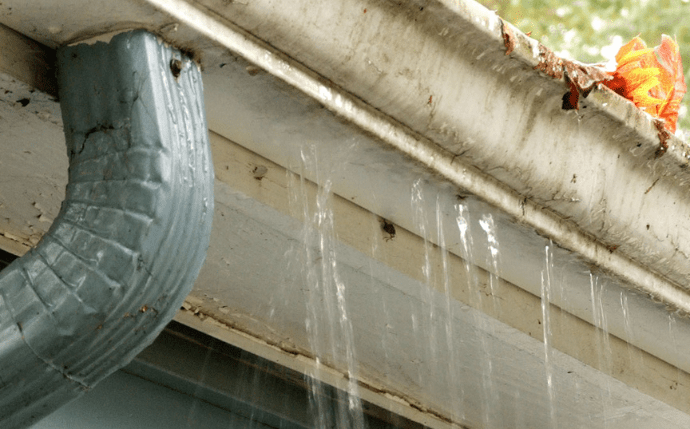
A leaking gutter rarely stays a small problem for long. What starts as a hairline crack or a rust pinhole can turn into rotted fascia, stained siding, washed-out mulch beds, and water collecting along the foundation. In a place like Hackettstown, where homes see heavy spring rain, summer storms, falling leaves, and winter freeze-thaw cycles, gutter damage tends to show up in familiar ways. Seams open, fasteners loosen, corners drip, and older sections simply wear out.
Most homeowners notice the problem during a storm. You hear water spilling where it should not, or you spot a line of drips running down the front of the house. Sometimes the clue is subtler. A garden bed below one section looks gouged out. The basement wall feels damp after rain. Paint near the roofline starts to blister. By the time the gutter itself gets your attention, the water has often been misbehaving for months.
That is why Gutter Repair Hackettstown searches usually begin with urgency. The challenge is not just stopping the visible leak. It is figuring out what failed, why it failed, and whether a repair will hold through the next hard season.
Why gutters fail in real homes
Gutters live in a rough environment. They bake in direct sun, fill with wet debris, hold ice in winter, and flex under the weight of water. Even well-installed systems age. Sealants dry out. Metal expands and contracts. Small pools form in low spots and slowly attack the material. Add a ladder leaned in the wrong place or a branch scraping along the edge, and damage accelerates.
In Hackettstown, the combination of mature trees and seasonal weather creates a predictable repair pattern. Homes near heavier tree cover often deal with packed leaves and shingle grit that trap moisture at seams. Older homes may have sections added at different times, which means inconsistent pitch or mismatched materials. Newer homes are not immune either. I have seen relatively new gutters leak because of poor hanger spacing, sloppy end-cap sealing, or downspouts that were never sized properly for the roof area.
Cracks and holes tend to appear in specific places. Seams are common trouble spots because they rely on both mechanical fit and sealant. End caps start leaking when the bond breaks down. Inside corners catch debris and hold water, which wears on the metal or joint. The backside of the gutter can also fail where water has been overflowing for so long that the fascia begins to rot and movement pulls the system out of alignment.
The visible damage matters, but the hidden cause matters more. A patched hole in a gutter that is pitched the wrong way will leak again, even if the patch itself is solid.
The difference between a nuisance leak and a structural warning
Not every drip means full replacement. Some repairs are straightforward and worth doing, especially on otherwise sound systems. A few pinholes in an aluminum run, a failed seam at a corner, or a loose end cap can often be repaired quickly and economically. If the metal is still stable and the hangers are holding, repair makes sense.
There are times, though, when a leak points to a broader failure. If multiple sections are pulling away from the fascia, if rust has spread beyond isolated spots, or if the gutter sags enough to hold standing water after rain, a simple patch buys only temporary relief. The same goes for homes where repeated overflow has damaged the roof edge or trim. In that case, repairing the gutter without addressing the wood behind it is incomplete work.
One of the most common judgment calls involves older sectional gutters. If one seam opens, you can reseal it. If every seam on a 25-year-old run is brittle, you can spend money chasing leaks one by one and still end up replacing the system a year later. Good repair work depends on honest triage.
What cracks, holes, and leaks usually look like
Homeowners often describe all gutter problems as leaks, but the type of failure tells you a lot about the right fix.
Cracks usually show up in vinyl systems, at stressed corners, or in metal sections that have been bent or fatigued. They may seem minor in dry weather, then widen under the weight of moving water. Holes tend to form through corrosion, repeated abrasion from debris, or fasteners tearing through older metal. Leaks can happen without any visible hole at all if water is backing up at a clog, spilling over a low spot, or sneaking through a failed seam.
A quick field check usually reveals the pattern. If the drip is steady from one tiny point even after the main flow has passed, suspect a hole or seam defect. If water pours over the front edge during moderate rain, the issue is often pitch, blockage, undersized capacity, or a downspout restriction. If the gutter looks dry but the fascia beneath it is stained, water may be running behind the gutter due to poor apron flashing or an overly tucked drip edge.
That distinction matters because sealing the wrong place is one of the most common repair mistakes.
Repair methods that actually hold up
There is a big difference between a repair that looks good for two weeks and one that survives four seasons. The method has to match the material, the location of the damage, and the conditions that caused it.
For small holes in aluminum gutters, a proper repair usually means cleaning the area to bare, sound material, drying it fully, applying a gutter-grade sealant, and reinforcing the patch if needed. On a very small pinhole, sealant alone may work. On a larger opening, especially one caused by corrosion, a patch bonded over the area is more dependable. The surface prep is where many quick fixes fail. Dirt, oxidation, and moisture ruin adhesion.
Seam leaks need more than smearing caulk over the outside. A lasting fix often involves separating loose debris from the joint, cleaning the seam thoroughly, resealing the mating surfaces, and fastening or reforming the connection as needed. If the seam has shifted because of sagging or movement, alignment has to be corrected before sealing. Otherwise the joint remains under stress and opens again.
End-cap leaks are another common issue. If the cap is structurally sound, resealing can work well. If the metal is distorted or rusted through at the edge, replacement is a smarter move. With inside and outside corners, repair has to take water volume into account. Those spots see concentrated flow, so a weak patch that might survive on a straight run often fails at a corner.
Vinyl gutters present their own trade-offs. They can be easy to replace section by section, but adhesive repairs on cracked vinyl are not always durable through New Jersey temperature swings. When vinyl becomes brittle, replacing the damaged section is usually more reliable than trying to glue a stressed crack back together.
When sealant works, and when it wastes time
People reach for sealant because it feels simple. Sometimes it is the right answer. Sometimes it is just a delay.
Sealant works best when the gutter is fundamentally https://daltontrju891.yousher.com/the-homeowner-s-checklist-for-gutter-repair-in-hackettstown sound and the failure is localized. A clean seam separation, a minor end-cap leak, or a tiny puncture on stable metal can respond well. The key is using the right product, in the right conditions, on a clean and dry surface. Even a quality sealant struggles if it is applied in cold, wet, dirty conditions or onto loose rust.
Sealant wastes time when the substrate has lost integrity. Rusted steel that flakes under pressure is not a good candidate. Neither is aluminum thinned from years of corrosion. If the gutter moves when filled with water because the hangers are loose, the best caulk in the world will not compensate. It may stop the drip for a while, but the movement will break the bond.
I have also seen many failed repairs where someone sealed the inside of a gutter full of damp shingle grit and leaf residue. It looked fine from the ground. The next storm sent the patch loose like tape in a puddle.
The hidden role of pitch, hangers, and downspouts
Cracks, holes, and leaks get most of the attention, but many gutter failures start with support and drainage. If the pitch is off, water does not move efficiently toward the downspout. It lingers. Standing water adds weight, encourages corrosion, and finds weaknesses in seams. If hangers are spaced too far apart or fastened into soft fascia, the gutter bows and twists under load. That creates low spots and opens joints.
Downspouts matter just as much. A perfectly sealed gutter can still overflow if the downspout is clogged, undersized, or badly placed. On larger roof sections, one downspout may not be enough. The result is water backing up during heavy rain and spilling over the front edge, which many homeowners mistake for a gutter hole.
When evaluating Gutter Repair Hackettstown properties, this is often where the job gets clarified. The leak is real, but the fix is bigger than a patch. Sometimes the section needs to be rehung with proper pitch. Sometimes the downspout needs to be cleared or a second one added. Sometimes the fascia behind the gutter has to be repaired before any new fasteners will hold.
Materials matter more than most people realize
Not all gutters age the same way, and repair strategy should reflect that.
Aluminum is common because it is lightweight, rust-resistant, and relatively easy to repair. It dents, but localized repairs usually make sense if the metal remains sound. Steel is stronger, but once rust takes hold, damage can spread aggressively in wet areas. A rusted steel gutter may look salvageable from below while the inside tells a different story. Copper is durable and attractive, though fewer homes have it and repairs require a more specialized approach, especially if appearance matters as much as function. Vinyl is affordable and easy to assemble, but it can become brittle over time and is less forgiving in freeze-thaw conditions.
The surrounding roof system also influences repairs. Asphalt shingle granules wear on gutter bottoms over time. Slate and metal roofs shed water differently and can demand careful sizing and flashing details. Even nearby tree species matter. Fine debris from certain trees packs tightly in corners and around outlets, creating chronic wet spots.
Signs a repair is enough, and signs replacement is smarter
Most homeowners want to know whether they can fix the problem or if they are heading toward full replacement. The answer depends on condition, age, and how widespread the damage is.
A repair is usually reasonable when the damage is isolated, the gutter keeps its shape, the hangers are secure, and the fascia behind the system is sound. If you have one leaking seam, one end cap, or a few pinholes on an otherwise healthy run, targeted work is often the best value.
Replacement becomes the better option when failures are repeated or structural. Multiple leaking seams, widespread corrosion, significant sagging, chronic overflow from poor sizing, or detached sections often signal a system near the end of its serviceable life. If repair costs start stacking up across several visits, new seamless gutters may actually cost less over the next few years.
Here are some practical markers professionals watch for:
- standing water remaining in the gutter a day after rain
- fasteners pulling loose from soft or rotted fascia
- rust or corrosion appearing in several sections, not just one spot
- repeated seam failures along the same run
- overflow during moderate rain even after cleaning
Those conditions do not automatically force replacement, but they push the decision in that direction.
Common repair scenarios around Hackettstown homes
Local housing stock creates recognizable patterns. On colonials and capes with long front runs, center sagging is common when hanger spacing is too wide or snow load has stressed the line over time. Ranch homes often show trouble at lower roof transitions where debris funnels into a short section and overwhelms the outlet. Older houses with additions may have awkward roof valleys dumping into gutters that were never designed for that volume.
One memorable case involved a home where the owner kept patching the same corner leak every spring. The sealant work was neat, and the patch itself was not the problem. The real issue was that a valley above the corner concentrated water so heavily that the gutter overflowed, soaked the outer edge, and mimicked a joint failure. The lasting fix was a combination of cleaning, slight re-pitching, and improving how water entered that section. Once flow was controlled, the “leak” disappeared.
That kind of problem is common. Water is deceptive. It travels, drips from the wrong place, and makes small defects look bigger than they are, or big drainage flaws look like simple cracks.
What homeowners can safely check before calling for service
You do not need to climb onto the roof to notice useful details. A basic ground-level inspection after or during rain can reveal a lot. Watch where water spills. Notice whether the overflow happens only in a downpour or even in moderate rain. Look for dark streaks on siding, mulch trenches below the eaves, or damp areas near the foundation. If one section sounds like water is sloshing instead of flowing, that often points to standing water or a clog.
If you use a ladder, caution matters. Many gutter problems worsen because someone leans a ladder directly against the front edge and bends the metal. Even a small deformation can interrupt pitch or create a low spot. If you are not comfortable working from a ladder, it is better to stop at visual observation and let a contractor handle the hands-on diagnosis.
A useful service call often starts with clear notes from the homeowner: which side leaks, whether it happens only in heavy rain, whether the gutters were cleaned recently, and whether the issue is new or recurring. Those details shorten the diagnostic process.
Questions worth asking before approving a repair
Not every contractor approaches gutter work with the same level of care. Some will simply apply sealant and move on. Others will look at pitch, support, outlet flow, and fascia condition before recommending a fix. The second approach usually saves money.
A few questions can tell you which kind of service you are getting:
- Is the leak caused by a hole, a seam failure, a clog, or poor drainage?
- Is the fascia behind this section solid enough to hold a repair?
- Will this repair address the cause, or only the symptom?
- Are other parts of the same run likely to fail soon?
- If replacement is recommended, is it because of age, support issues, or repeated leaks?
Those questions move the conversation beyond a tube of caulk. They also make estimates easier to compare because you are evaluating scope, not just price.
Seasonal timing affects repair quality
Gutter repairs are possible in many conditions, but timing influences durability. Dry weather is ideal for sealants and patches because surfaces can be cleaned and cured properly. Fall is a common repair season after leaves expose problems, though crews are often busiest then. Spring is another peak time, especially when winter damage becomes obvious during heavy rain.
Winter repairs are sometimes necessary, especially when leaks are causing active icing near entryways or threatening wood trim. They can be done, but expectations should be realistic. Cold temperatures affect materials and can limit which products perform well. In some cases, a temporary stabilization is appropriate until a more permanent repair can be completed in better conditions.
That said, waiting too long carries its own cost. A minor seam leak in September can become fascia rot by January if trapped water freezes and expands behind the gutter.
Cost, value, and the repair versus replace decision
Prices vary with access, height, material, and extent of damage, so broad numbers only go so far. A simple seam or end-cap repair is obviously different from re-pitching a long second-story run with fascia repair. The real value question is whether the work meaningfully extends the life of the system.
A smart repair protects the house. That is the standard. If spending a modest amount now prevents foundation splashback, siding stains, or roof-edge rot, it is money well spent. If repeated repairs are keeping a failing system on life support, replacement deserves serious consideration.
For many homes in this area, the best path is not all or nothing. It may be repairing the most urgent leak now, cleaning and evaluating the full system, and planning replacement of older sections before the next major season. That staged approach often fits real budgets better than forcing a single large project.
What good gutter repair should leave behind
When the work is done properly, the result is not just the absence of drips. The gutter should run cleanly toward the outlet. Water should stay inside the system during ordinary rain. Hangers should feel solid. Seams should look intentional, not buried under excess sealant. The fascia should be protected, not left soft or exposed behind a repaired section.
Good work also respects appearance. On visible front elevations, a sloppy patch can be almost as frustrating as the leak itself. A professional repair blends function with restraint. You should not have to choose between a dry wall and a repair that looks like a quick weekend experiment.
For homeowners dealing with recurring water issues, that is the real goal of Gutter Repair Hackettstown service: not just plugging a hole, but restoring control over where the rain goes. When the system is pitched correctly, supported properly, and repaired with the right method, the house gets quieter during storms. No surprise drips, no washouts below the eaves, no mystery stains creeping down the siding. Just water moving where it belongs, from roof to downspout to safe discharge away from the home.
Just Gutters LLC
Address: 262 Main St, Hackettstown, NJ 07840
Phone number: +12013319454
FAQ About Gutter Repair Hackettstown
What is the average cost to repair gutters?
The average cost to repair gutters is about $390, with most jobs ranging from $120 to $900 depending on the damage. You can explore detailed data and estimates on Angi.
Can I repair a gutter myself?
Yes, you can easily repair most common gutter problems yourself if you are comfortable working on a ladder.
How much does it cost to repair a leaking gutter?
The average cost to repair a leaking gutter ranges from $75 to $350. Most homeowners spend around $150 to $250 to hire a professional to patch small holes or reseal leaking joints. If the damage is severe and requires replacing entire sections, the price can increase from $300 to $800.